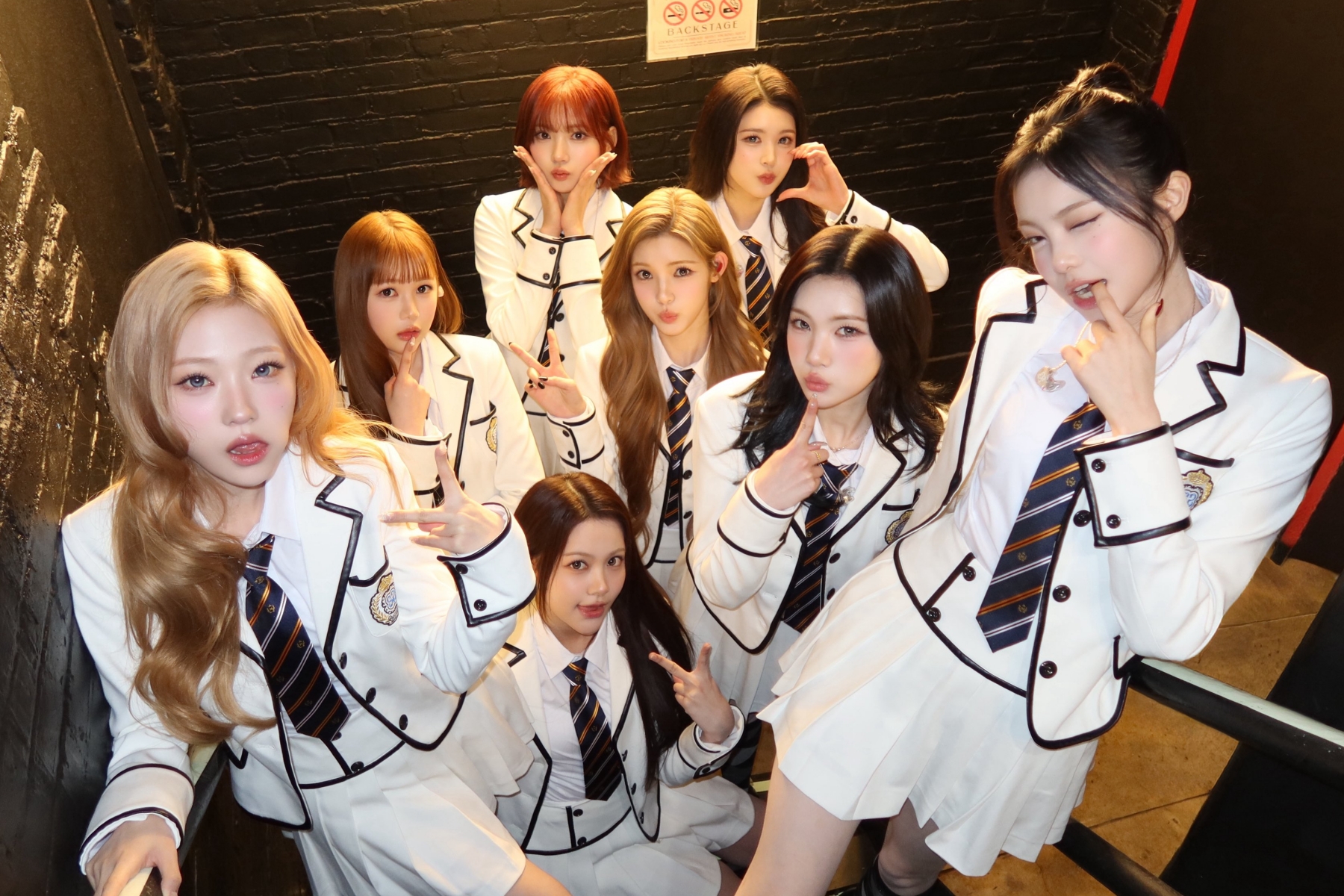
The international dimension of BTS's career deserves particular attention. Their reach now extends well beyond the Korean market, and the way they have navigated this expansion -- maintaining domestic relevance while building genuine international appeal -- offers a case study in how cultural exports can work when they are handled with intelligence and care.
BTS's trajectory has been, by any reasonable measure, remarkable. From the early stages of their career to the present, they have demonstrated a capacity for growth that is rare in an industry that often rewards stasis over evolution. Their current position in the K-pop landscape reflects not luck but sustained effort and intelligent decision-making.
The broader context is essential to understanding any individual story in K-pop. The industry is in a period of significant structural change -- from the globalization of fan communities to the shifting economics of streaming, from the evolving role of social media to the increasing sophistication of fan-artist relationships. Each news item exists within this framework, and ignoring the framework means missing the story.
What strikes us most about the current moment is the pace of evolution. K-pop in 2026 operates on assumptions that would have been unthinkable five years ago. The international market is no longer an afterthought but a primary consideration. Fan engagement has moved from one-directional broadcasting to something closer to continuous dialogue. The implications are still unfolding.
Industry analysts point to several developments this week that align with longer-term trends. The consolidation of agency power, the diversification of revenue streams, and the increasing emphasis on longevity over explosive debuts -- these are not new themes, but the week's events have brought them into sharper focus.

What gives BTS's work its staying power is a quality that is difficult to name but easy to recognize: intentionality. Every element -- from the music production to the visual presentation to the fan engagement -- feels purposeful. In an industry that often mistakes activity for accomplishment, this focus is both distinguishing and instructive.
The social media response has been substantial and worth parsing. The volume of engagement is expected, given BTS's fanbase. What is more instructive is the nature of the response: the discourse is more analytical, more considered than the typical K-pop fan reaction. This suggests an audience that is maturing alongside the artist.
Beyond the core fanbase, the broader K-pop community has taken note. The kind of cross-fandom respect that BTS commands is not earned through numbers alone. It requires the kind of artistic credibility that comes from consistent quality and genuine creative ambition.
The cultural commentary surrounding BTS has become more sophisticated over time. What once might have been dismissed as fan enthusiasm is now recognized as a form of participatory criticism -- engaged, knowledgeable, and occasionally more perceptive than the professional coverage.
The long-term significance of BTS's current moment will take time to assess fully. But certain things are already clear: they have expanded the boundaries of what is considered possible within K-pop, they have demonstrated that artistic ambition and commercial success need not be mutually exclusive, and they have set a standard that will inform the industry's trajectory for years to come.