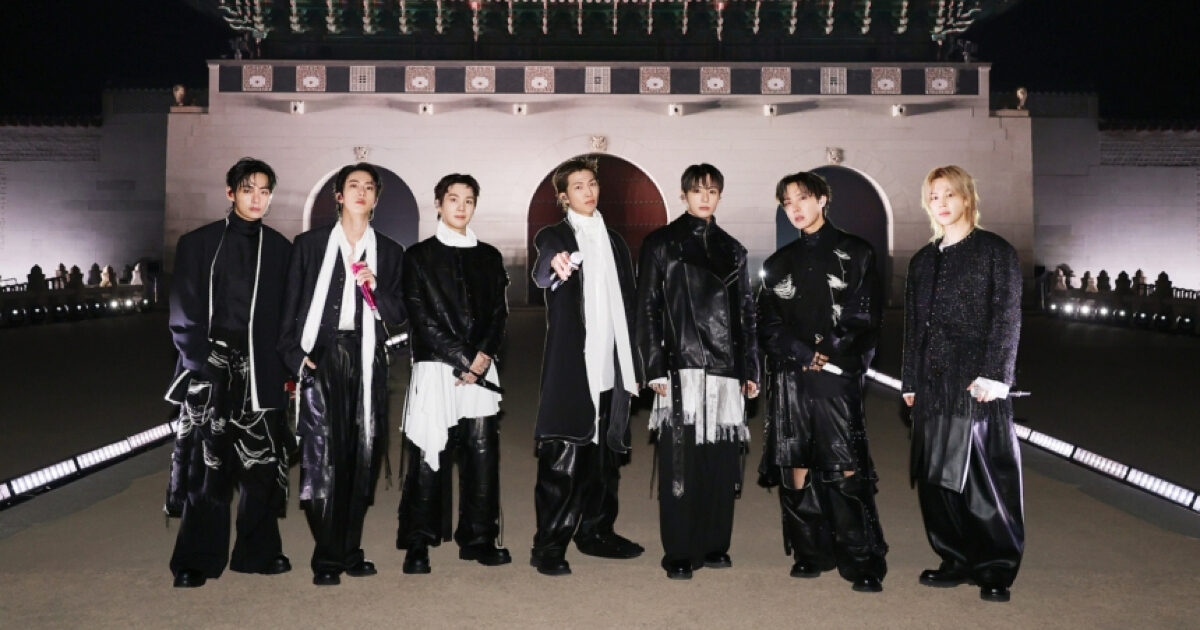
There is a temptation to view BTS through the lens of their most visible achievements -- the numbers, the awards, the viral moments. But the more interesting story lies in the choices they have made between those milestones: the creative risks, the strategic patience, the willingness to prioritize artistic coherence over short-term gain.
To understand BTS's current moment, it helps to consider the broader context. K-pop in 2026 is a different animal from the industry that existed even three years ago. The audience is more global, the competition more intense, and the expectations more demanding. That BTS not only survives but thrives in this environment speaks to something fundamental about their approach.
The broader context is essential to understanding any individual story in K-pop. The industry is in a period of significant structural change -- from the globalization of fan communities to the shifting economics of streaming, from the evolving role of social media to the increasing sophistication of fan-artist relationships. Each news item exists within this framework, and ignoring the framework means missing the story.
What strikes us most about the current moment is the pace of evolution. K-pop in 2026 operates on assumptions that would have been unthinkable five years ago. The international market is no longer an afterthought but a primary consideration. Fan engagement has moved from one-directional broadcasting to something closer to continuous dialogue. The implications are still unfolding.
Industry analysts point to several developments this week that align with longer-term trends. The consolidation of agency power, the diversification of revenue streams, and the increasing emphasis on longevity over explosive debuts -- these are not new themes, but the week's events have brought them into sharper focus.
The industry response has been quietly significant. Executives and producers who spoke to CHRONICLE on background describe BTS's approach as influential, though the specific mechanisms of that influence are debated. What is not debated is the result: BTS has established a template that others are studying, if not directly imitating.
BTS's current trajectory intersects with several of K-pop's most significant trends: the push toward creative autonomy, the emphasis on album-as-statement over single-as-product, and the growing importance of the artist's personal brand as distinct from the group identity. How BTS navigates these intersections will have implications beyond their own career.
Beyond the core fanbase, the broader K-pop community has taken note. The kind of cross-fandom respect that BTS commands is not earned through numbers alone. It requires the kind of artistic credibility that comes from consistent quality and genuine creative ambition.
International fan communities have been particularly vocal, and their engagement underscores a point that CHRONICLE has made before: K-pop's audience is now genuinely global, and any serious assessment of an artist's impact must account for this geography. BTS's resonance across cultural and linguistic boundaries is not incidental. It is central to their story.
What BTS represents to the K-pop industry is a proof of concept -- evidence that an act can maintain relevance while pursuing genuine artistic growth, that a fanbase can be cultivated through respect rather than manipulation, and that the market will reward quality if given the chance to recognize it.