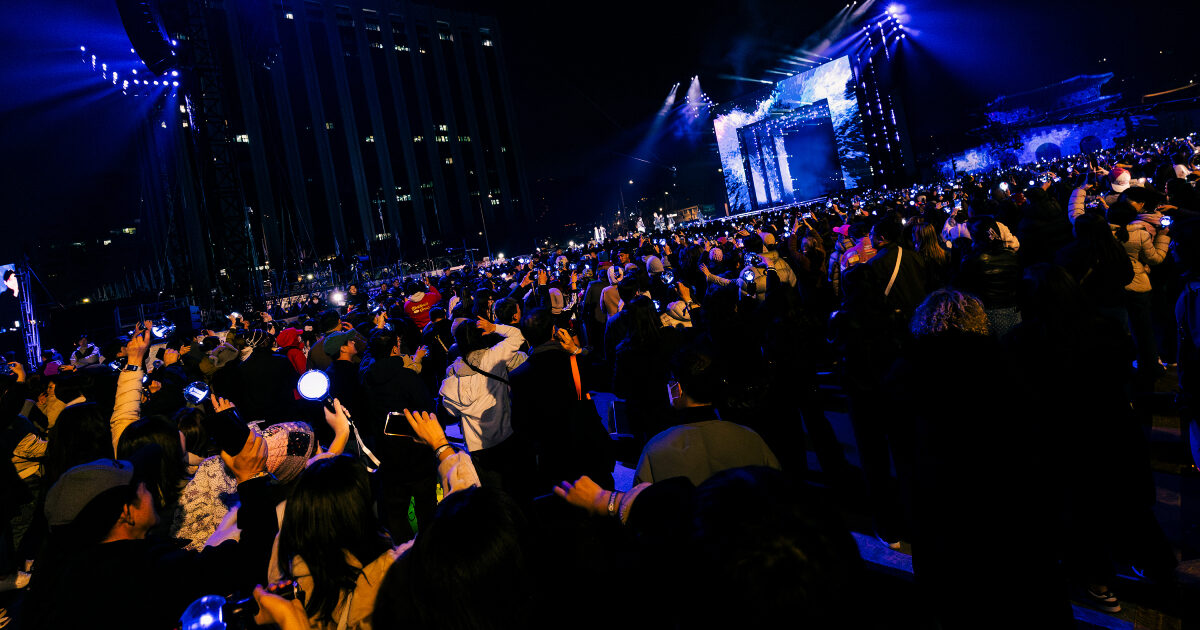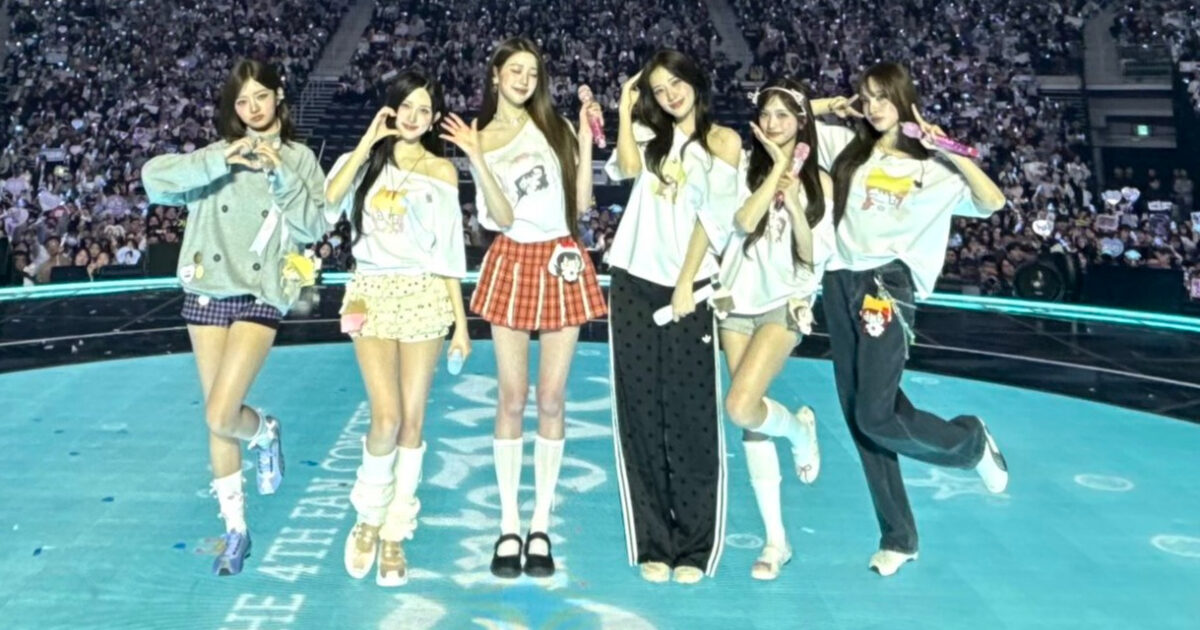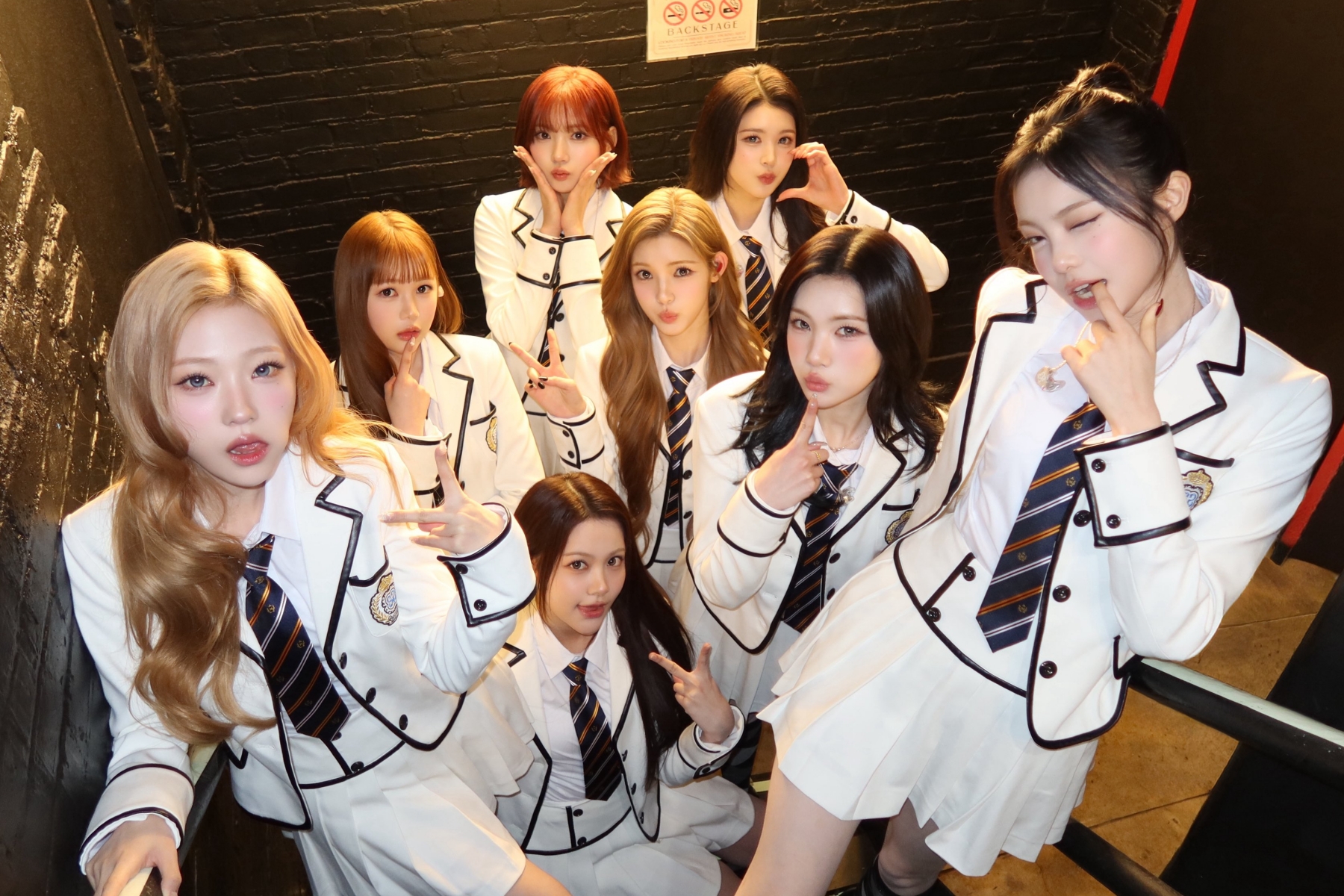
K-pop's evolution over the past decade has been, by any measure, extraordinary. What began as a primarily domestic entertainment industry has become a global cultural force, reshaping music markets, fashion trends, and digital engagement norms around the world. Understanding this transformation is essential to understanding any individual story within the industry.
The structural dynamics of K-pop in 2026 are worth reviewing. The agency system continues to evolve, fan engagement platforms have become sophisticated ecosystems in their own right, and the boundaries between K-pop and the broader global music industry have blurred to the point of near-invisibility. These are not background facts. They are the primary conditions within which every story unfolds.
What we observe this week is a continuation of patterns that have been developing for some time. The industry is becoming simultaneously more global and more fragmented, more accessible and more competitive. These paradoxes are not contradictions. They are the defining characteristics of K-pop in its current phase.
The structural forces reshaping K-pop are not always visible in the daily news cycle, but they are always present. The globalization of the fanbase, the platformization of music consumption, the blurring of genre boundaries -- these are the tectonic plates moving beneath the surface of every headline. Understanding them is essential to understanding any individual story.

This particular development reflects a pattern that industry analysts have been tracking for several quarters. The convergence of multiple trends -- globalization, platformization, and the increasing importance of artist-as-brand -- has created an environment in which stories like this one are not anomalies but inevitabilities.
The data paints an interesting picture. Engagement metrics across the industry suggest a fanbase that is simultaneously expanding and deepening. New listeners are entering the K-pop ecosystem at record rates, while existing fans are engaging more intensely and across more platforms than ever before. The implications for both artists and industry infrastructure are substantial.
Online discourse around this development has been characteristically vigorous. K-pop fan communities have become sophisticated analytical spaces, and the quality of the commentary often matches or exceeds that of professional journalism. This is not an accident. It is the product of a fan culture that values knowledge, context, and critical thinking.
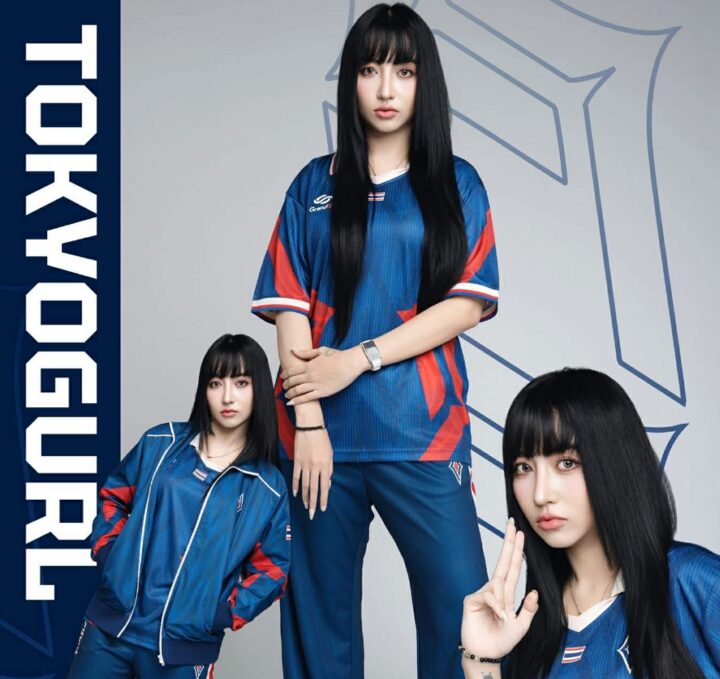
In the broader context of global entertainment, K-pop's trajectory continues to defy conventional wisdom about the limits of cultural export. The industry's ability to produce content that resonates across linguistic, cultural, and generational boundaries is not merely a commercial achievement. It is a cultural one, and it warrants the kind of sustained, thoughtful attention that CHRONICLE is committed to providing.