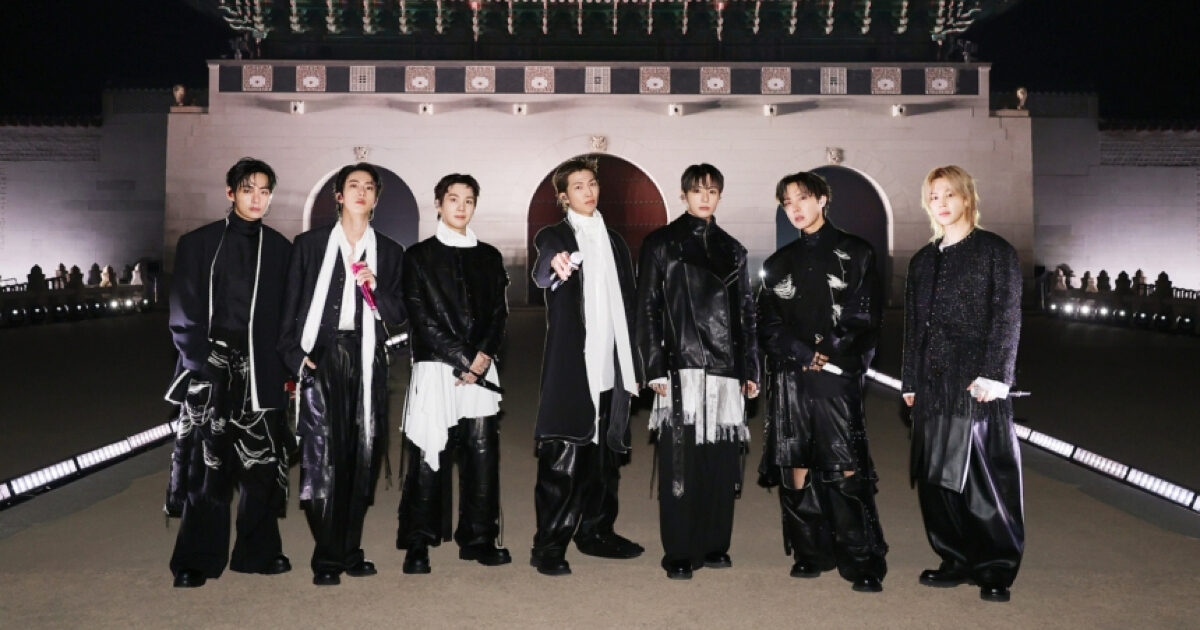
BTS's influence on the broader K-pop ecosystem is sometimes difficult to quantify but impossible to ignore. Other acts reference their work, industry strategies echo their approach, and fan community norms have been shaped by patterns that BTS's fanbase established. This kind of diffuse influence is, arguably, more significant than any single chart position.
There is a temptation to view BTS through the lens of their most visible achievements -- the numbers, the awards, the viral moments. But the more interesting story lies in the choices they have made between those milestones: the creative risks, the strategic patience, the willingness to prioritize artistic coherence over short-term gain.
What deserves attention is the timing. BTS's team has chosen a release window that avoids direct competition with the quarter's other major releases -- a strategic decision that suggests careful planning rather than impulsive momentum. The result is breathing room, both for the music and for the discourse around it.
The production choices signal a clear artistic intention. Where many acts pivot toward whatever genre is currently dominating streaming charts, BTS appears to have doubled down on their own sonic identity. It is a bold choice, and one that speaks to a confidence born of experience rather than market research.
Industry observers have long noted that BTS occupies a singular position in the K-pop ecosystem. They are neither trend-followers nor trend-setters in the conventional sense. Instead, they operate in a space that is entirely their own -- one that other acts can observe but rarely replicate. This comeback, by all early indicators, reaffirms that status.

Sources close to the situation indicate that BTS's team has been meticulous in their preparation. The level of detail in the planning -- from creative direction to market timing to fan communication strategy -- reflects an operation that has learned from past experience and refined its approach accordingly.
The social media response has been substantial and worth parsing. The volume of engagement is expected, given BTS's fanbase. What is more instructive is the nature of the response: the discourse is more analytical, more considered than the typical K-pop fan reaction. This suggests an audience that is maturing alongside the artist.
International fan communities have been particularly vocal, and their engagement underscores a point that CHRONICLE has made before: K-pop's audience is now genuinely global, and any serious assessment of an artist's impact must account for this geography. BTS's resonance across cultural and linguistic boundaries is not incidental. It is central to their story.
Beyond the core fanbase, the broader K-pop community has taken note. The kind of cross-fandom respect that BTS commands is not earned through numbers alone. It requires the kind of artistic credibility that comes from consistent quality and genuine creative ambition.
The long-term significance of BTS's current moment will take time to assess fully. But certain things are already clear: they have expanded the boundaries of what is considered possible within K-pop, they have demonstrated that artistic ambition and commercial success need not be mutually exclusive, and they have set a standard that will inform the industry's trajectory for years to come.