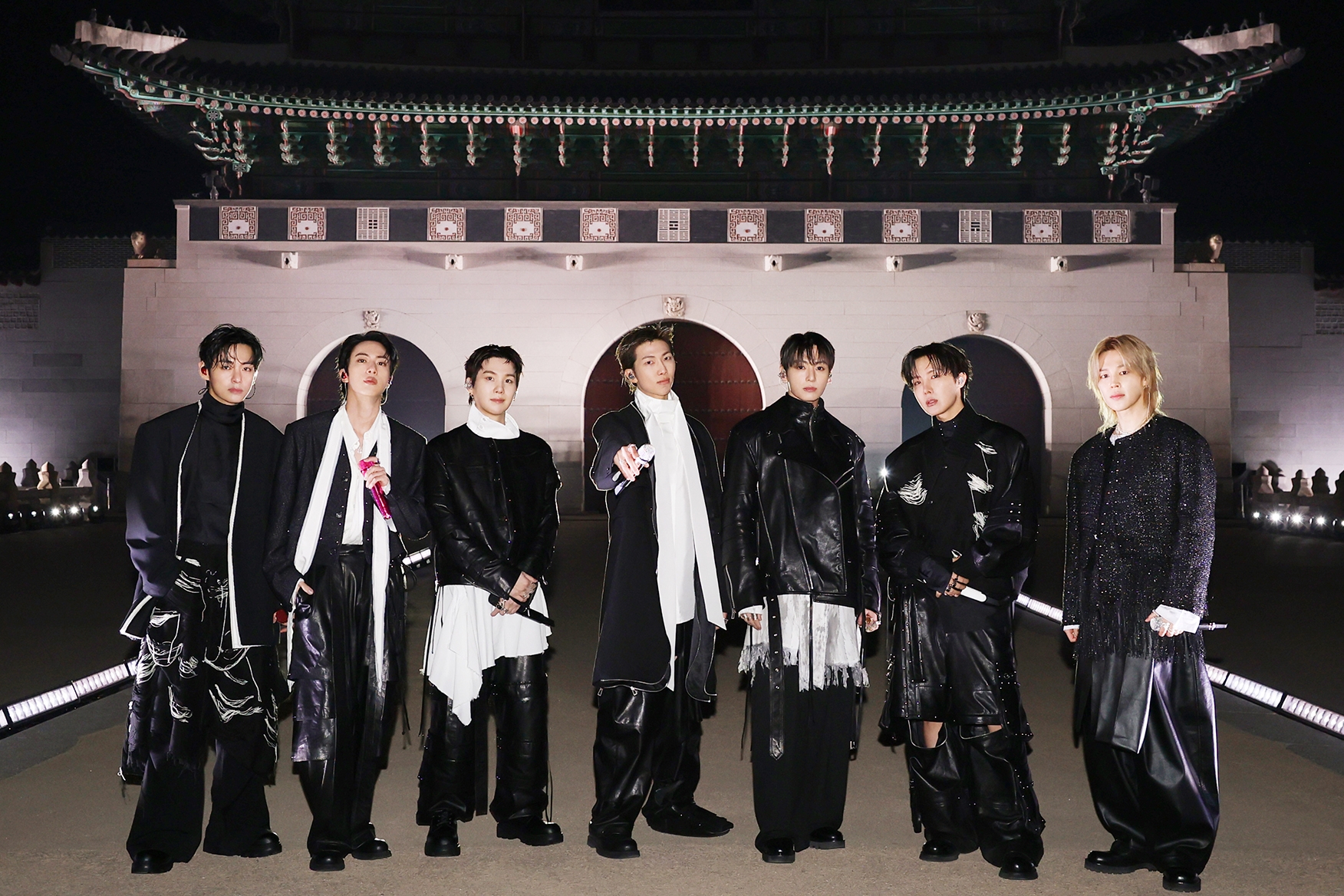
The economics of K-pop have shifted significantly. Streaming revenue now outpaces physical sales as the primary revenue driver for most acts, while touring and merchandise have become increasingly important to overall profitability. This shift has profound implications for creative strategy, marketing priorities, and the kinds of artists that the industry chooses to develop.
The structural dynamics of K-pop in 2026 are worth reviewing. The agency system continues to evolve, fan engagement platforms have become sophisticated ecosystems in their own right, and the boundaries between K-pop and the broader global music industry have blurred to the point of near-invisibility. These are not background facts. They are the primary conditions within which every story unfolds.
The structural forces reshaping K-pop are not always visible in the daily news cycle, but they are always present. The globalization of the fanbase, the platformization of music consumption, the blurring of genre boundaries -- these are the tectonic plates moving beneath the surface of every headline. Understanding them is essential to understanding any individual story.
What we observe this week is a continuation of patterns that have been developing for some time. The industry is becoming simultaneously more global and more fragmented, more accessible and more competitive. These paradoxes are not contradictions. They are the defining characteristics of K-pop in its current phase.
The data paints an interesting picture. Engagement metrics across the industry suggest a fanbase that is simultaneously expanding and deepening. New listeners are entering the K-pop ecosystem at record rates, while existing fans are engaging more intensely and across more platforms than ever before. The implications for both artists and industry infrastructure are substantial.
This particular development reflects a pattern that industry analysts have been tracking for several quarters. The convergence of multiple trends -- globalization, platformization, and the increasing importance of artist-as-brand -- has created an environment in which stories like this one are not anomalies but inevitabilities.
The international response has been particularly noteworthy. What was once a primarily Korean conversation is now a genuinely global one, with significant contributions from fan communities in Southeast Asia, North and South America, Europe, and beyond. This geographic breadth is one of K-pop's most distinctive and consequential characteristics.
The implications of this week's developments extend beyond the immediate news cycle. K-pop is at a pivotal moment in its evolution, and the decisions being made now -- by artists, agencies, and platforms alike -- will shape the industry for years to come. CHRONICLE will continue to track these developments with the seriousness they deserve.